Savings rate
How to calculate your savings rate
Divide what you save in a period by your take-home (after-tax) income in that period. If you bring home $5,000 a month and put $1,000 of it into savings and investments, your savings rate is 20%.
What counts as "savings"
Money going into investment accounts, retirement accounts, savings accounts, debt principal payments (beyond the minimum), and other assets that build long-term wealth. Money spent on rent, groceries, vacations, or consumed assets does not count.
Why it matters so much
A 10% savings rate typically means about 50 working years before you have enough to retire. A 25% savings rate cuts that to roughly 30 years. A 50% savings rate is around 15 years. The math is unforgiving and beautiful — your savings rate, not your income, is the dominant variable.
Working years to retirement by savings rate
Assumes a 5% real return, working with current take-home pay, and the 4% safe-withdrawal rule.
| Savings rate | Years to financial independence |
|---|---|
| 10% | 51 years |
| 20% | 37 years |
| 30% | 28 years |
| 40% | 22 years |
| 50% | 17 years |
| 65% | 10.5 years |
In FinWise
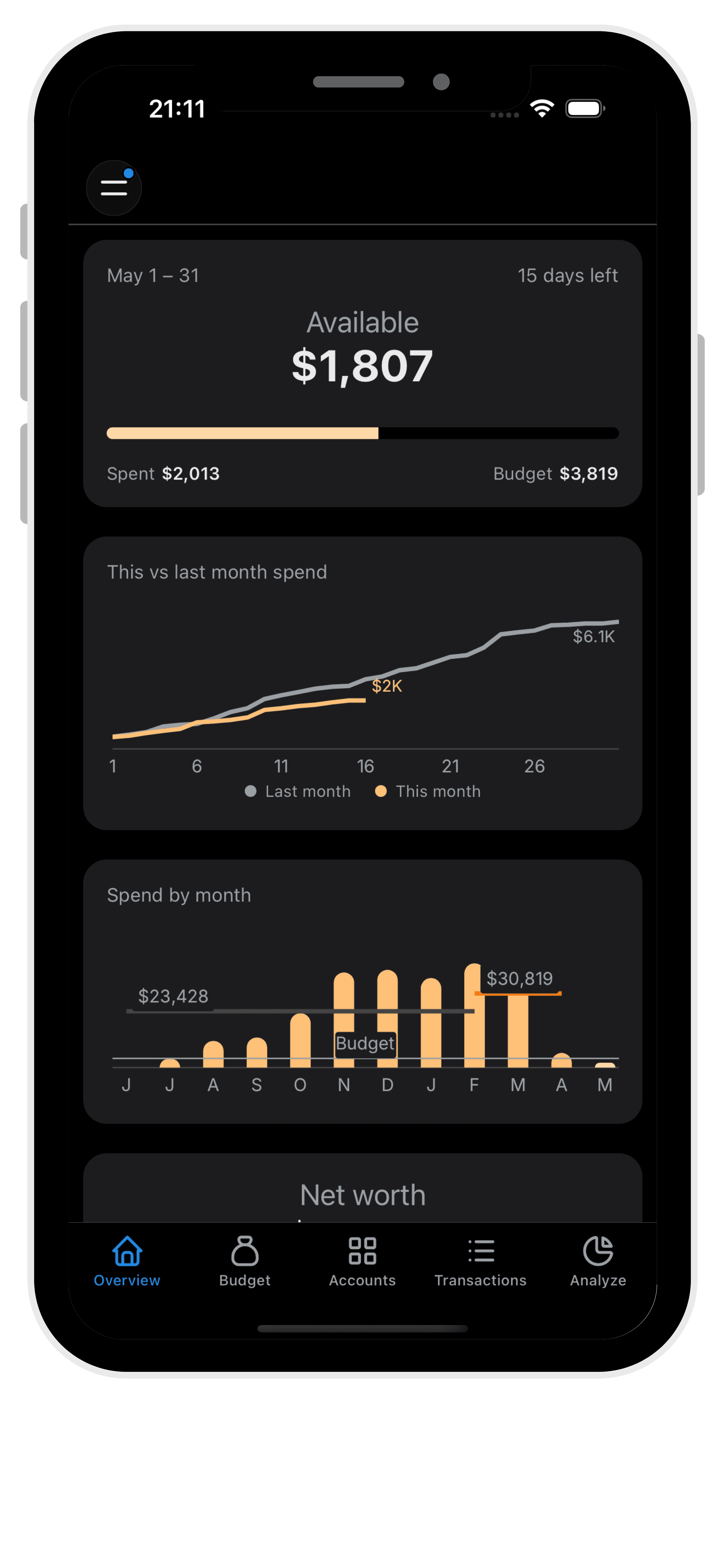
FinWise computes your savings rate automatically by classifying transactions as income, spending, or savings. You can break it down by month or year to see the trend.
Manage Your Money Better Today
Stay on top of your finances and save money with FinWise
Last reviewed